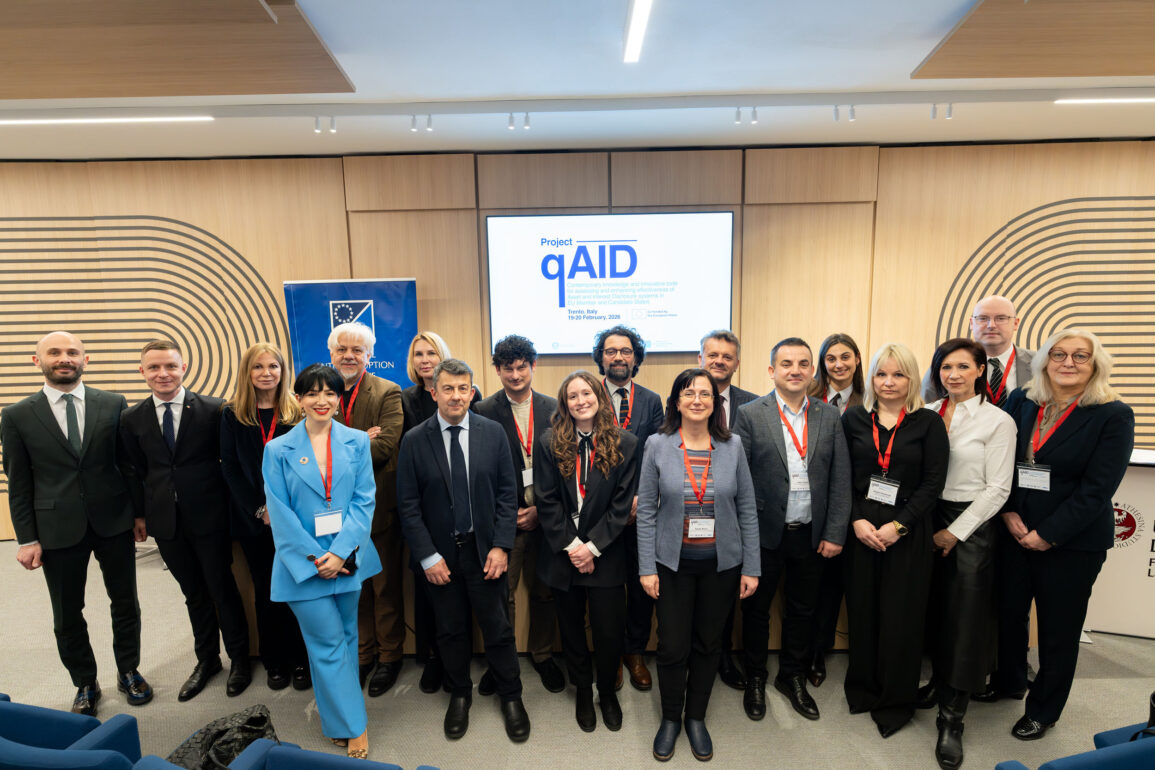
On 19–20 February, the Faculty of Law at the University of Trento hosted the final conference of the qAID project, co-organised by the CSSC and the Regional Anti-Corruption Initiative (RAI).
The conference focused on Asset and Interest Disclosure (AID) systems, which play a crucial role in strengthening transparency, integrity and public trust across EU Member States, while also representing a key component of effective anti-corruption frameworks in EU candidate countries. The qAID project has developed innovative knowledge and practical tools to assess and enhance the effectiveness of national AID systems, identifying best practices, designing risk-analysis frameworks and creating impact measurement toolkits.
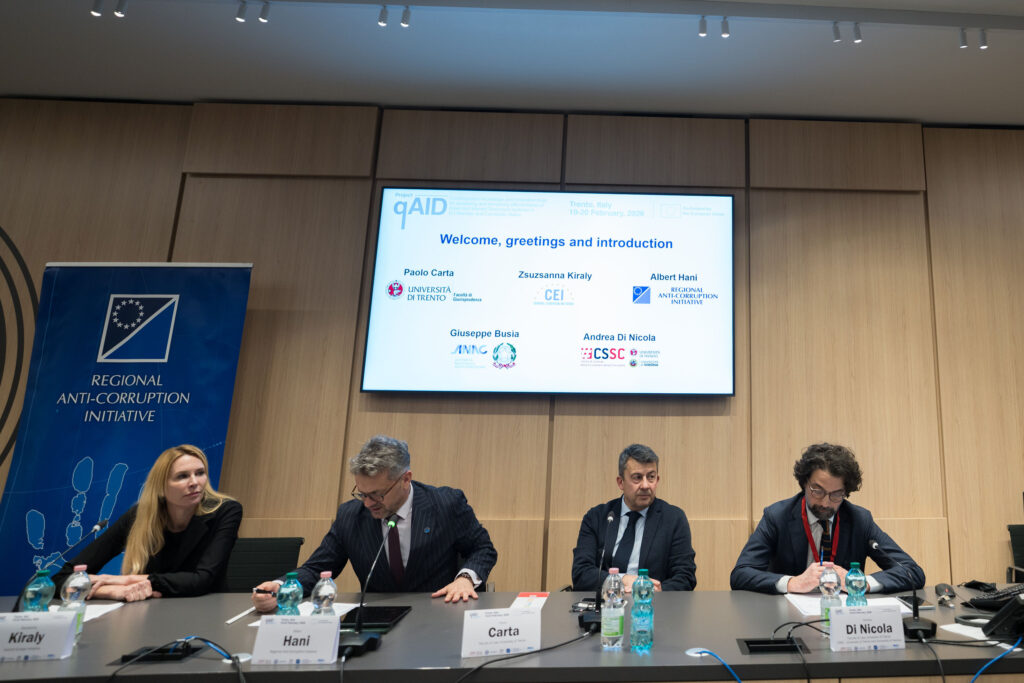
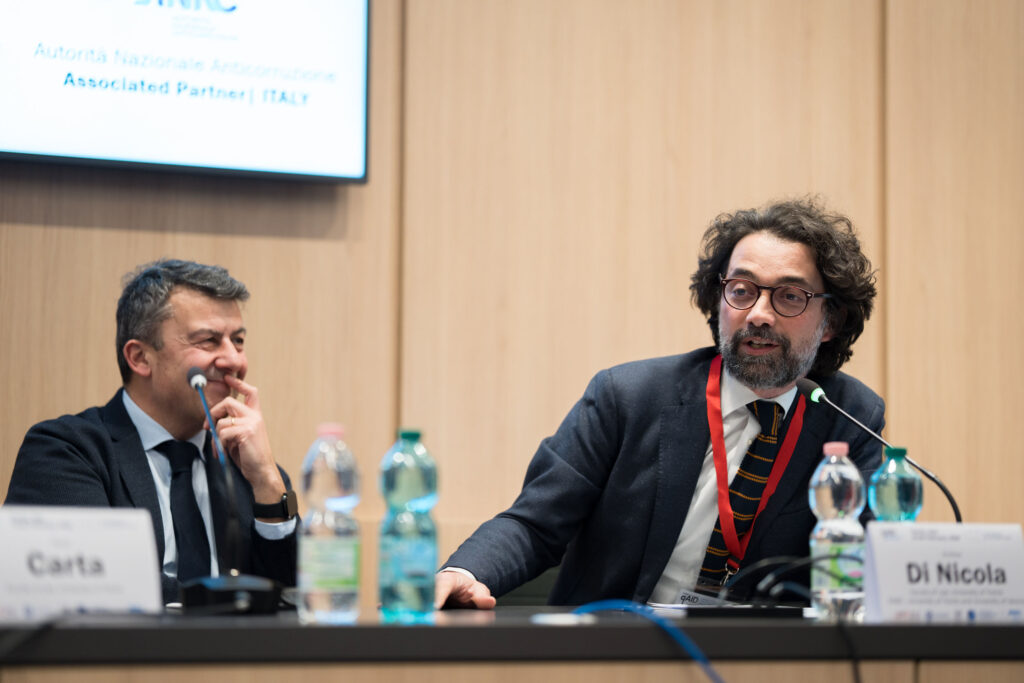
The event opened with welcoming remarks by Paolo Carta (Dean of the Faculty of Law), Albert Hani (Director of RAI), Zsuzsanna Kiraly (Deputy Secretary General, Central European Initiative), Giuseppe Busìa (President of the Italian National Anti-Corruption Authority) and Andrea Di Nicola (Director of CSSC).
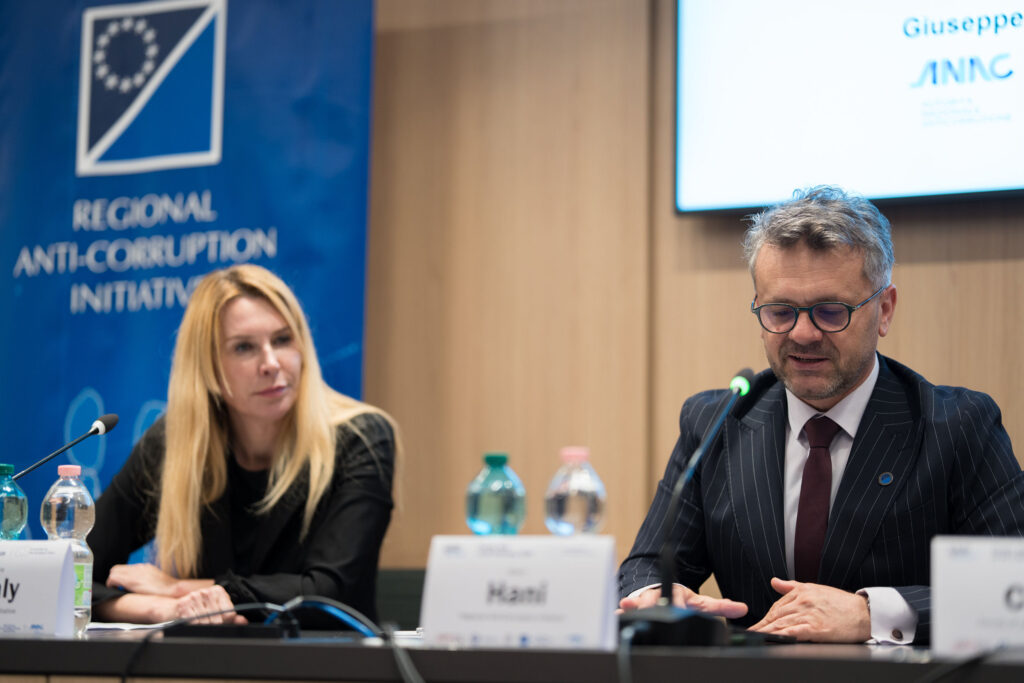
The programme was structured around three thematic sessions, each featuring a presentation of the project findings followed by a roundtable discussion with international experts.
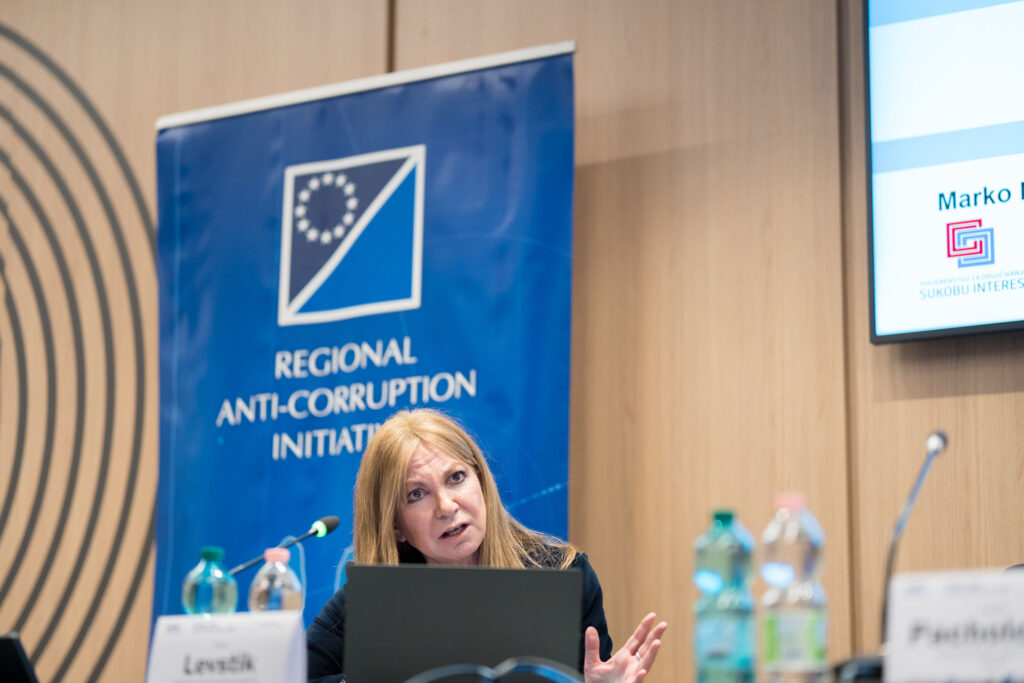
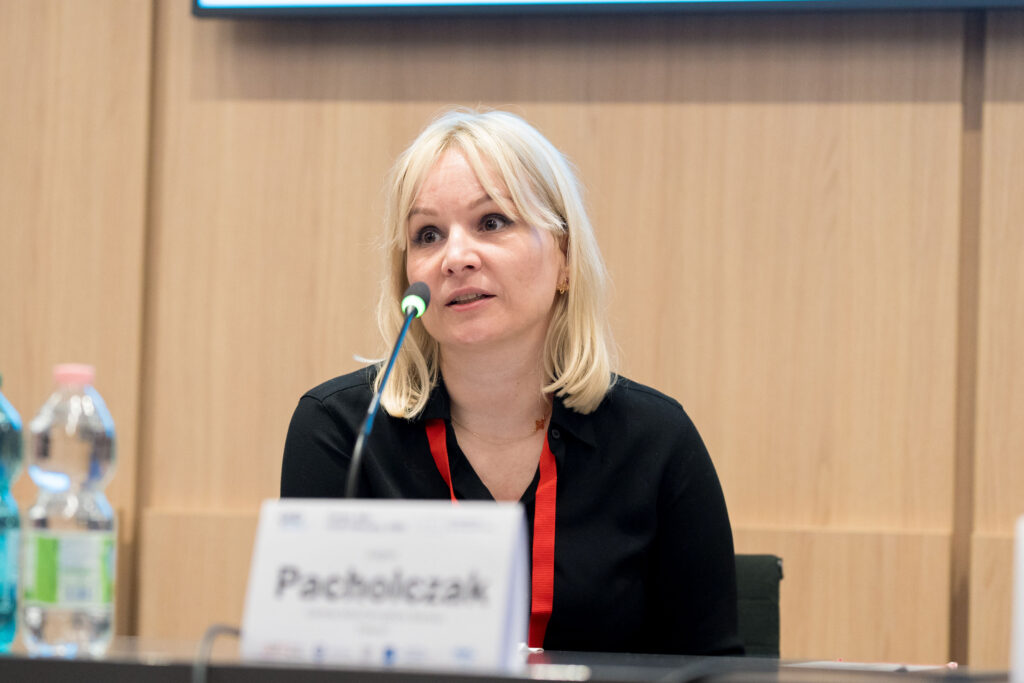
The first session, “The Relevance of AID Systems and Transparency in Anti-Corruption”, included presentations by Gabriele Baratto and Beatrice Rigon. The roundtable brought together Marko Matić (Head of Department of Asset Declarations, Commission for Prevention of Conflict of Interests, Croatia), Angela Pacholczak (Director, Control Proceedings Department, Central Anti-Corruption Bureau, Poland) and Sonja Levstik (International Relations Advisor, Italian National Anti-Corruption Authority).
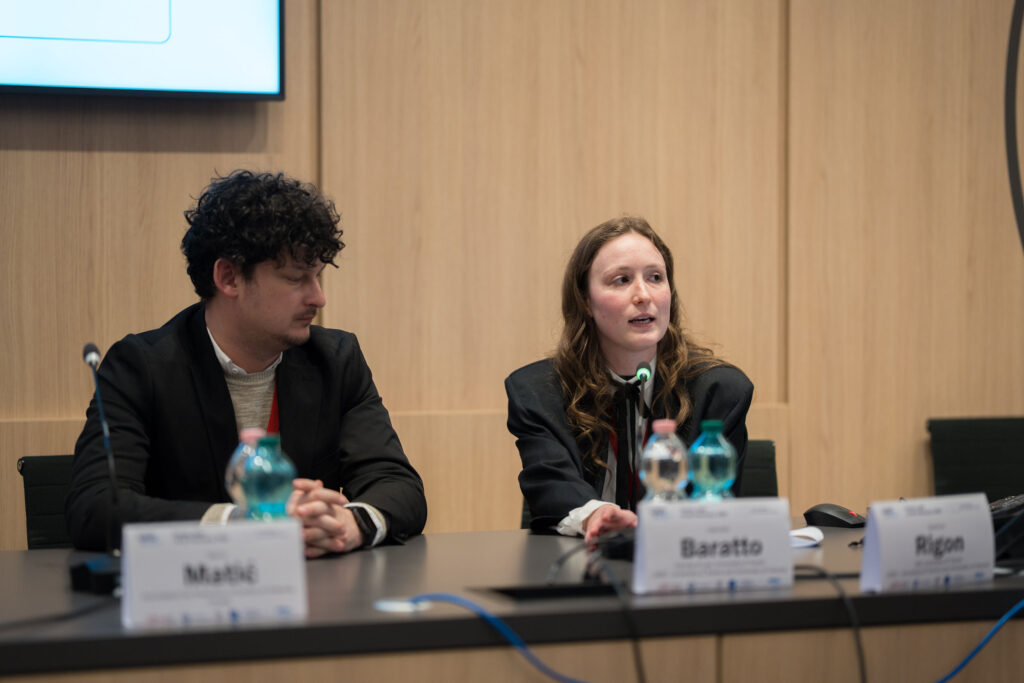
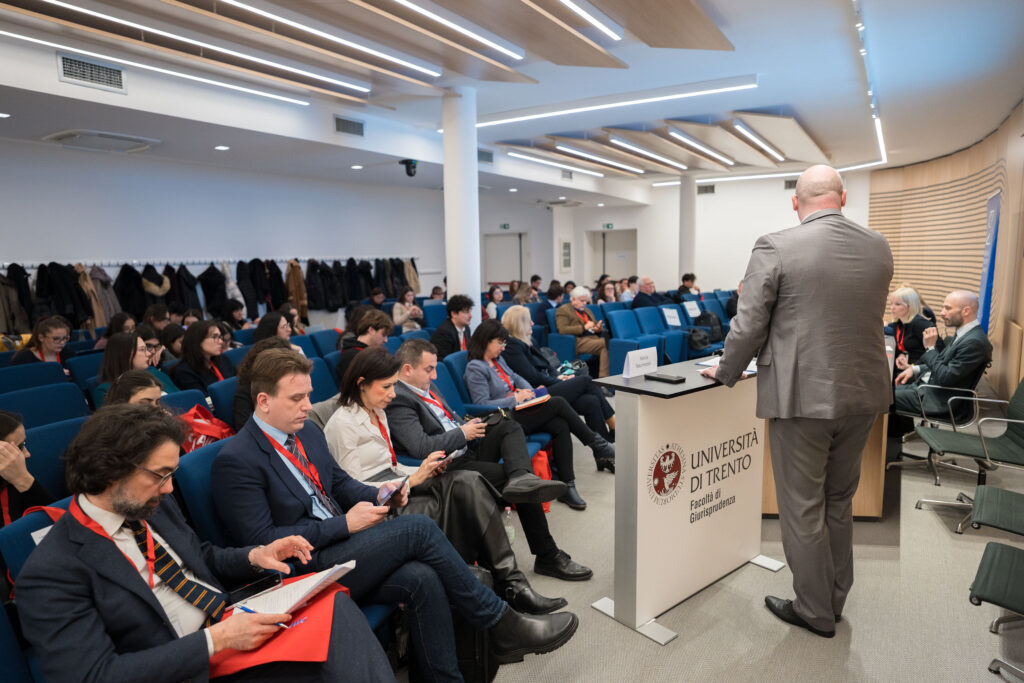
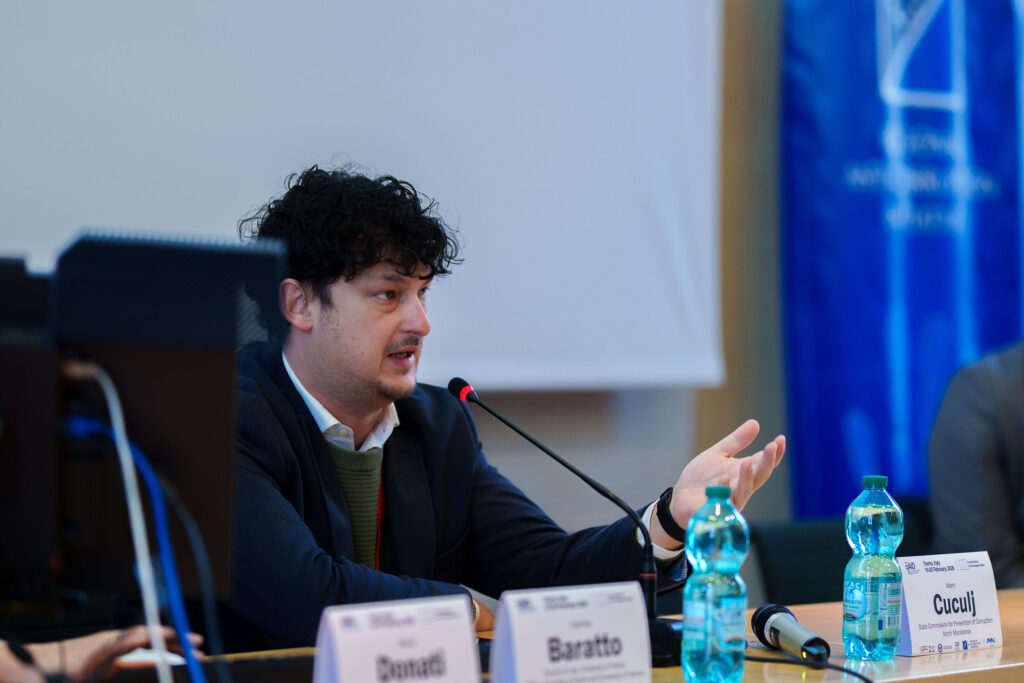
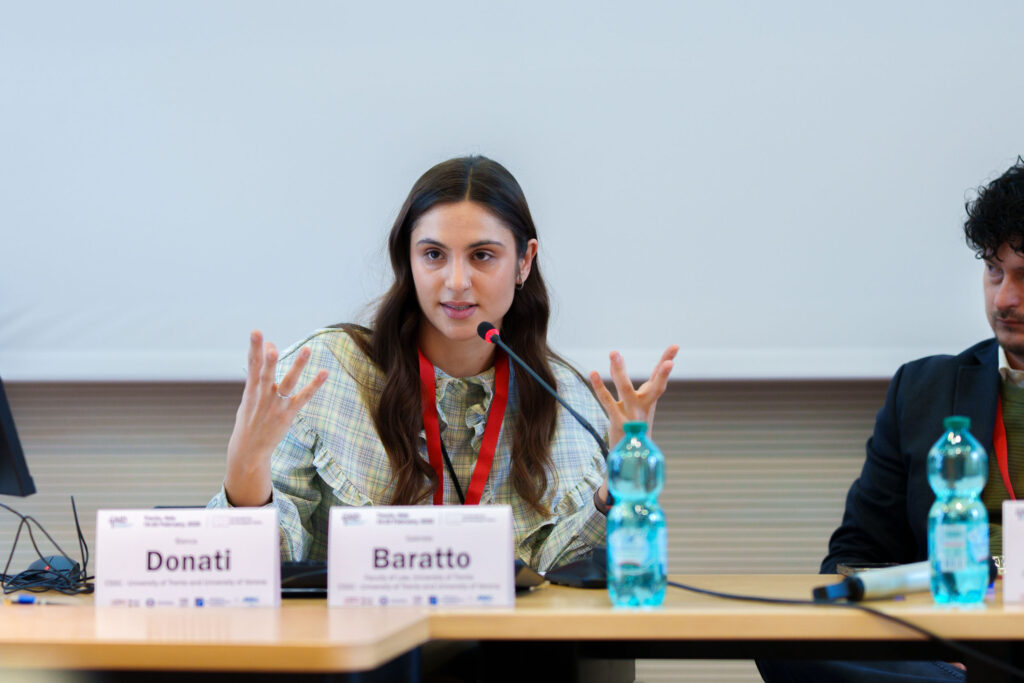
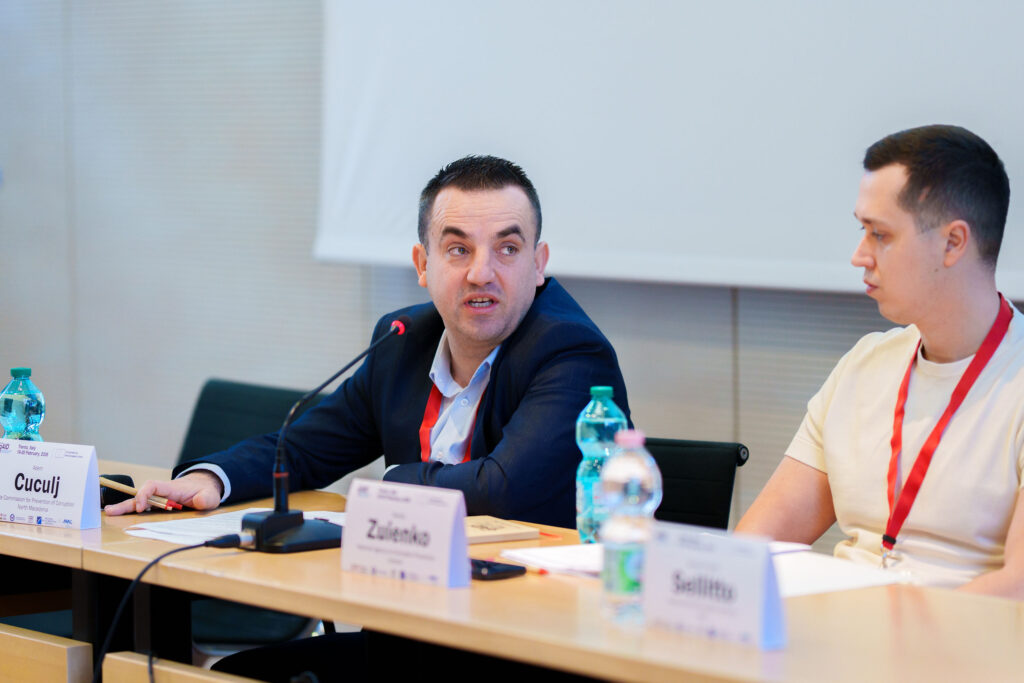
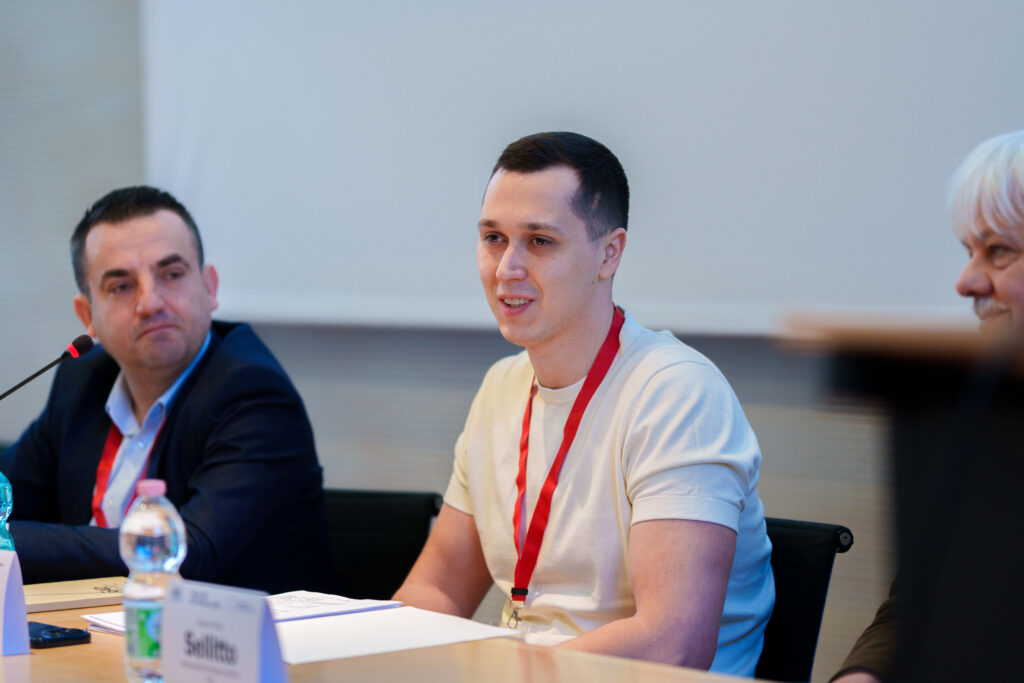
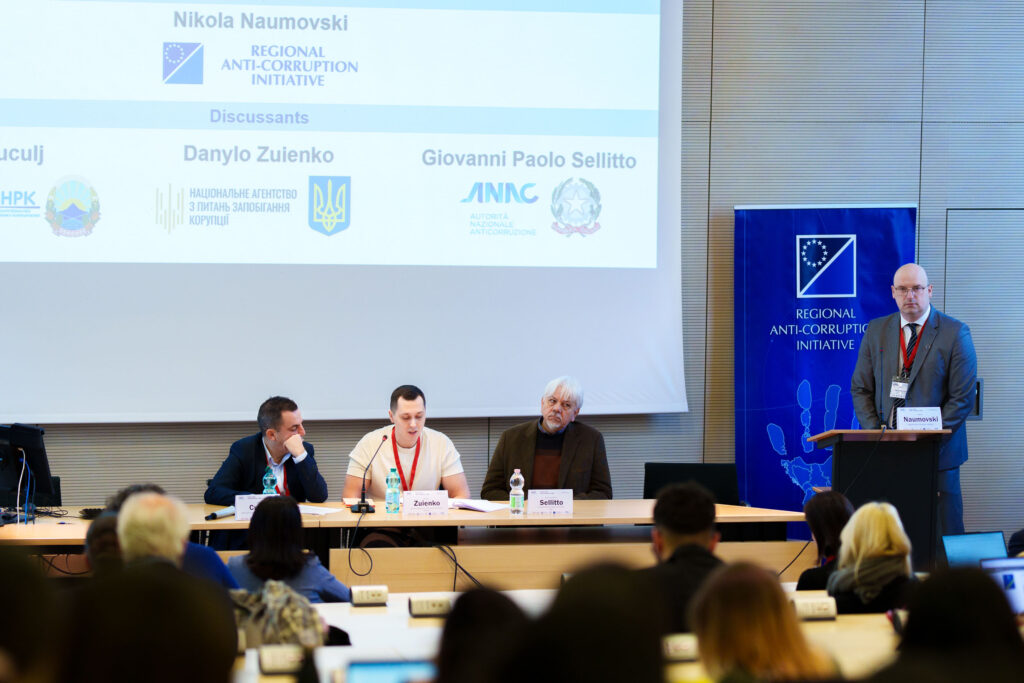
The second session, “The Relevance of Data, Risk Analysis and Digitalisation in AID Systems”, explored the importance of data, risk analysis and digital tools in strengthening AID mechanisms. Project results were presented by Gabriele Baratto and Bianca Donati. Roundtable speakers included Adem Cuculj (Director, State Commission for Prevention of Corruption, North Macedonia), accompanied by Maja Konevska (Secretary General of the same Commission), Danylo Zuienko (Head of the 5th Unit of the Directorate for Full Audits, National Agency on Corruption Prevention, Ukraine) and Giovanni Paolo Sellitto (ICT Specialist, Italian National Anti-Corruption Authority).
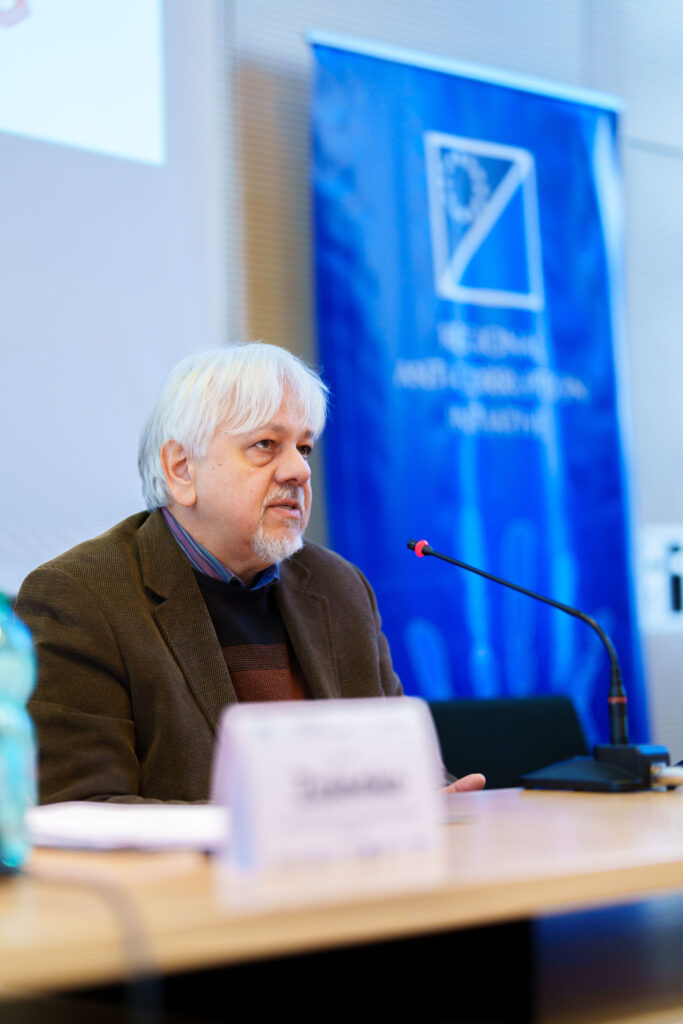
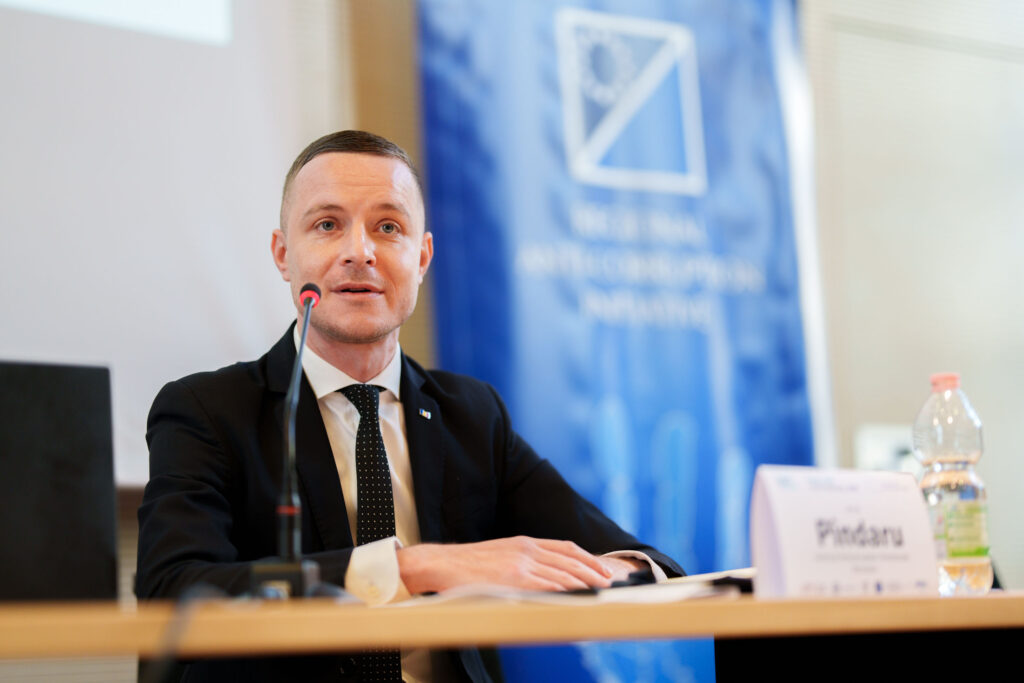
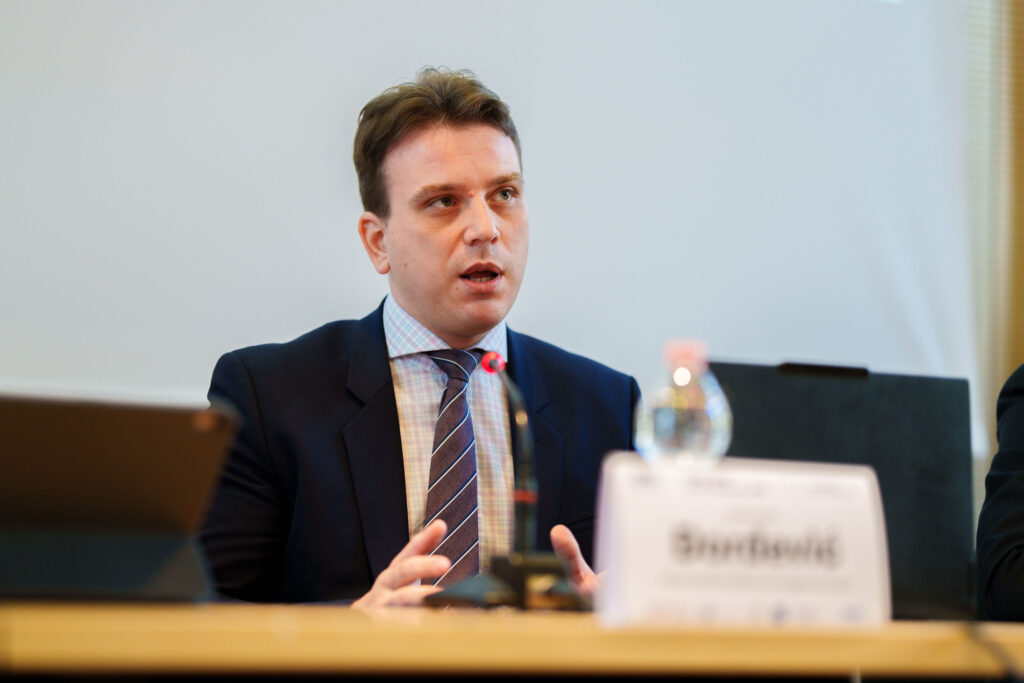
The final session, “The Relevance of Strategic Oversight and Assessment in AID Systems”, opened with a presentation of the findings by Daniela Mineva (CSD). The roundtable featured Elanas Jablonskas (Deputy Director, Special Investigation Service, Lithuania), Aleksandar Đorđević (Regional Anti-Corruption Specialist, UNODC) and Ionuț Pîndaru (Specialist, National Anticorruption Directorate, Romania).
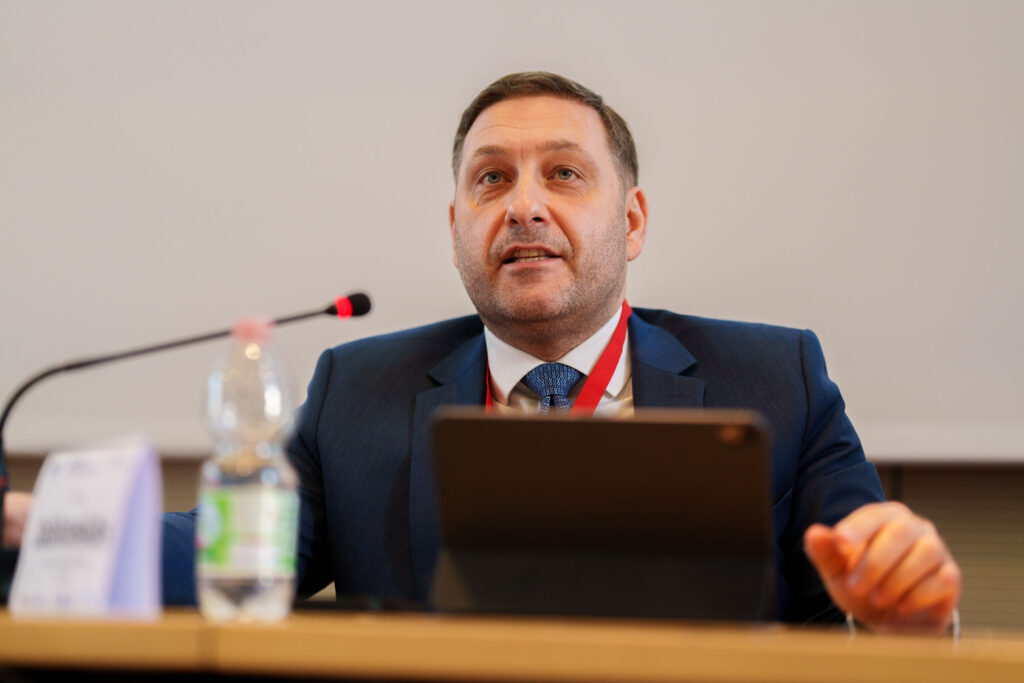
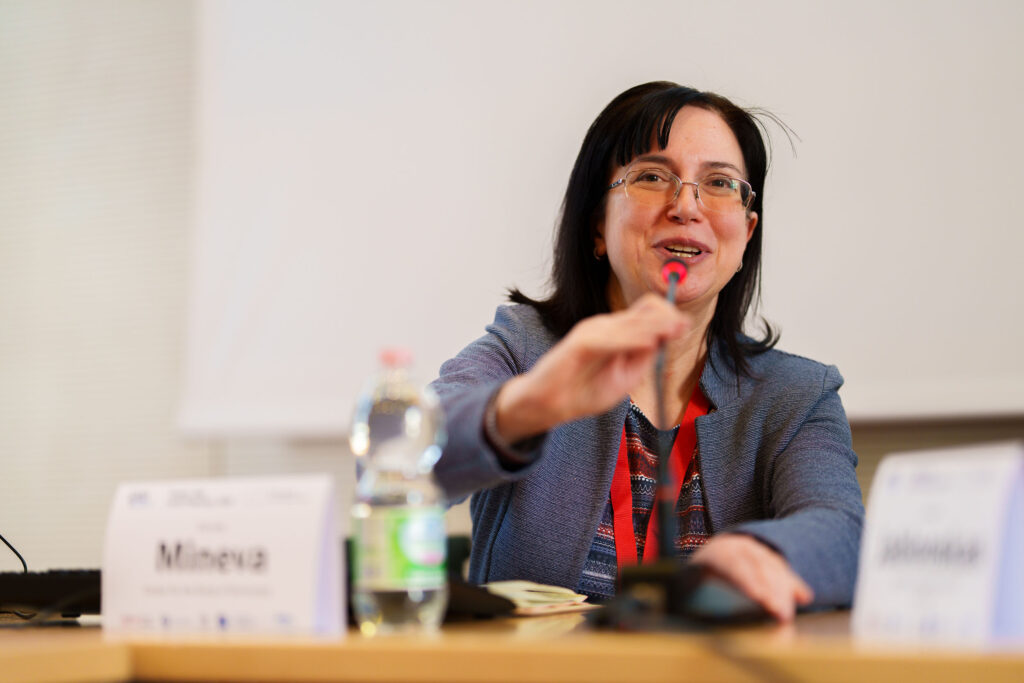
The closing session, in addition to remarks by Gabriele Baratto and Andrea Di Nicola, featured a contribution from Laura Stefan (Executive Director and Anti-Corruption Expert, ExpertForum; former Director at the Romanian Ministry of Justice and expert for the European Commission, the World Bank, the United Nations Development Programme and the Council of Europe).
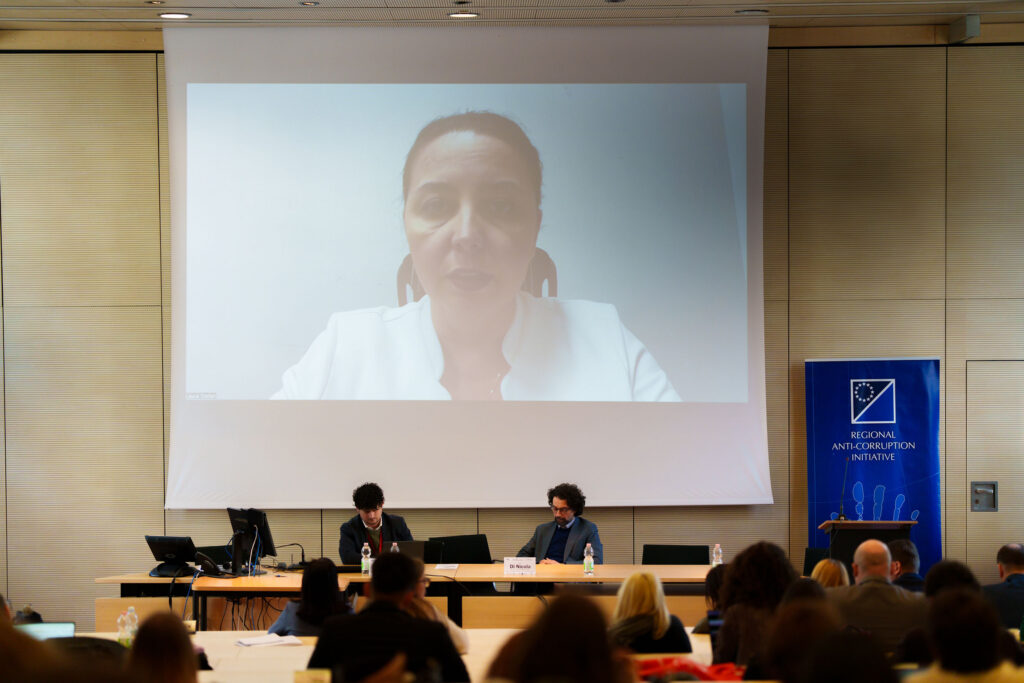
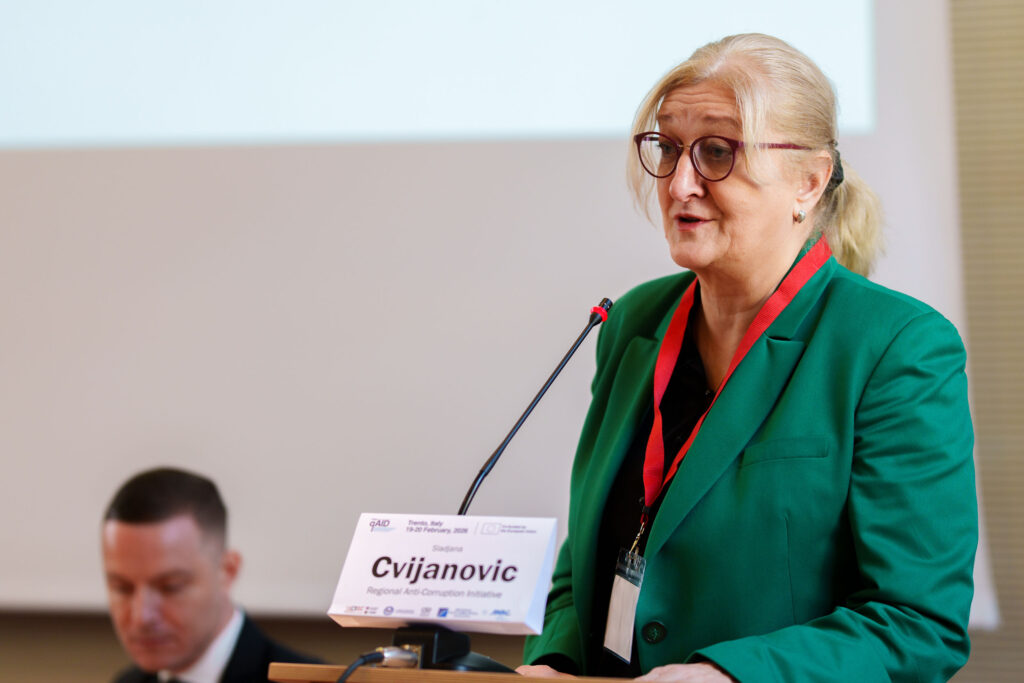
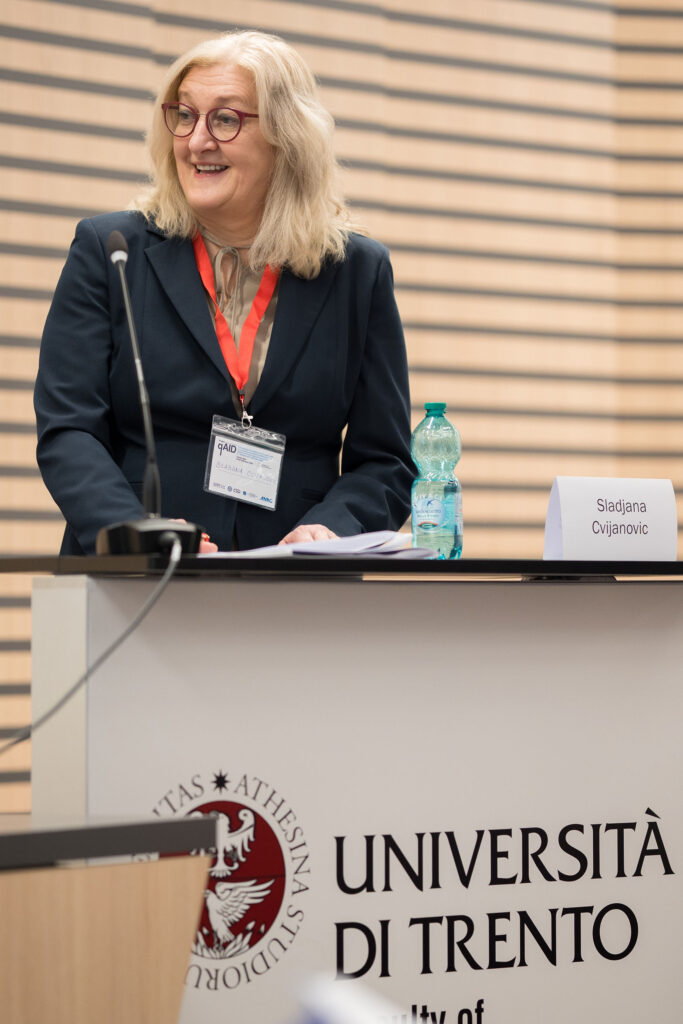
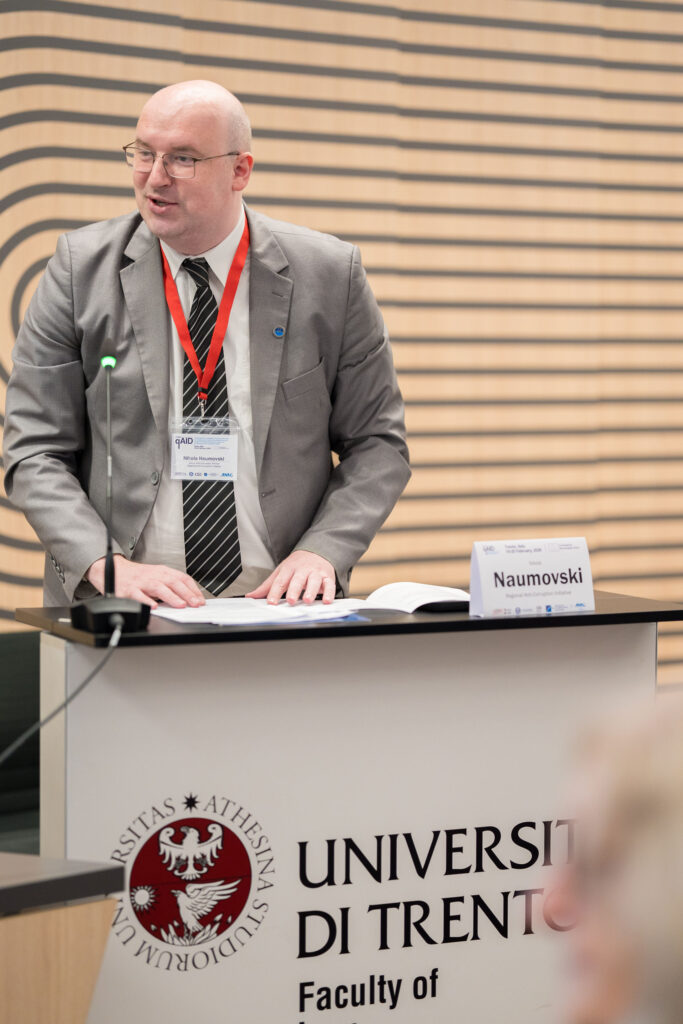
The event, the sessions and the roundtables were presented and moderated by RAI representatives: Nikola Naumovski (Senior Anti-Corruption Adviser), Sladjana Cvijanovic (Chief Programme and Communications Officer) and Alma Fejzic (Project Officer).
The activites envisaged the participation of researchers involved in the project, including Elena Ioriatti, Caterina Bergomi, Beatrice Pattaro and Ilaria Slomp.
The photos of the event are available at: